The short answer
Show quality should preserve the working story, not erase it. A well-bred Siberian Husky should still look, move, and behave like the breed it represents.
The Siberian Husky is not just a striking dog with blue eyes and a thick coat. The breed carries Arctic purpose, endurance, social intelligence, movement, and a standard that responsible breeders still use as a guide.
Sled-dog partnerships trace back thousands of years in Arctic environments.
Siberian Huskies entered modern American breed history through early 1900s Alaska sled racing.
The AKC recognized the Siberian Husky in 1930.
Modern buyers may encounter pet, racing, Seppala, and show-focused lines.
Ancient purpose shaped modern needs
The Arctic lineage behind sled dogs developed around survival, movement, cooperation, and endurance. Evidence of sled-dog use reaches deep into ancient history, and that background still matters when evaluating a modern Siberian Husky's coat, feet, balance, movement, and temperament.
- Cold-weather coat and efficient movement were functional traits.
- Social cooperation mattered because sled dogs worked in teams.
- Independence and intelligence are part of the breed's appeal and challenge.
From Siberia to Alaska
In the early 1900s, smaller, efficient Siberian sled dogs were imported into Alaska and proved themselves in racing. Their speed, endurance, and efficiency helped form the modern breed story that later led to AKC recognition.
- Imported Siberian sled dogs competed against larger freighting dogs.
- Selective breeding helped establish modern Siberian Husky identity.
- AKC recognition in 1930 formalized the breed in the United States.
Modern lines are not all the same
Today, families may hear about pet Huskies, racing Huskies, Seppala lines, and show-bred Huskies. These categories can overlap, but they often prioritize different goals. The right breeder should be clear about what they are producing and why.
- Pet lines may focus mostly on companion availability.
- Racing lines may emphasize speed, endurance, and drive.
- Show lines should emphasize structure, movement, type, and stable temperament.
- Seppala discussions often center on historic working preservation.
Why show-bred does not mean ornamental
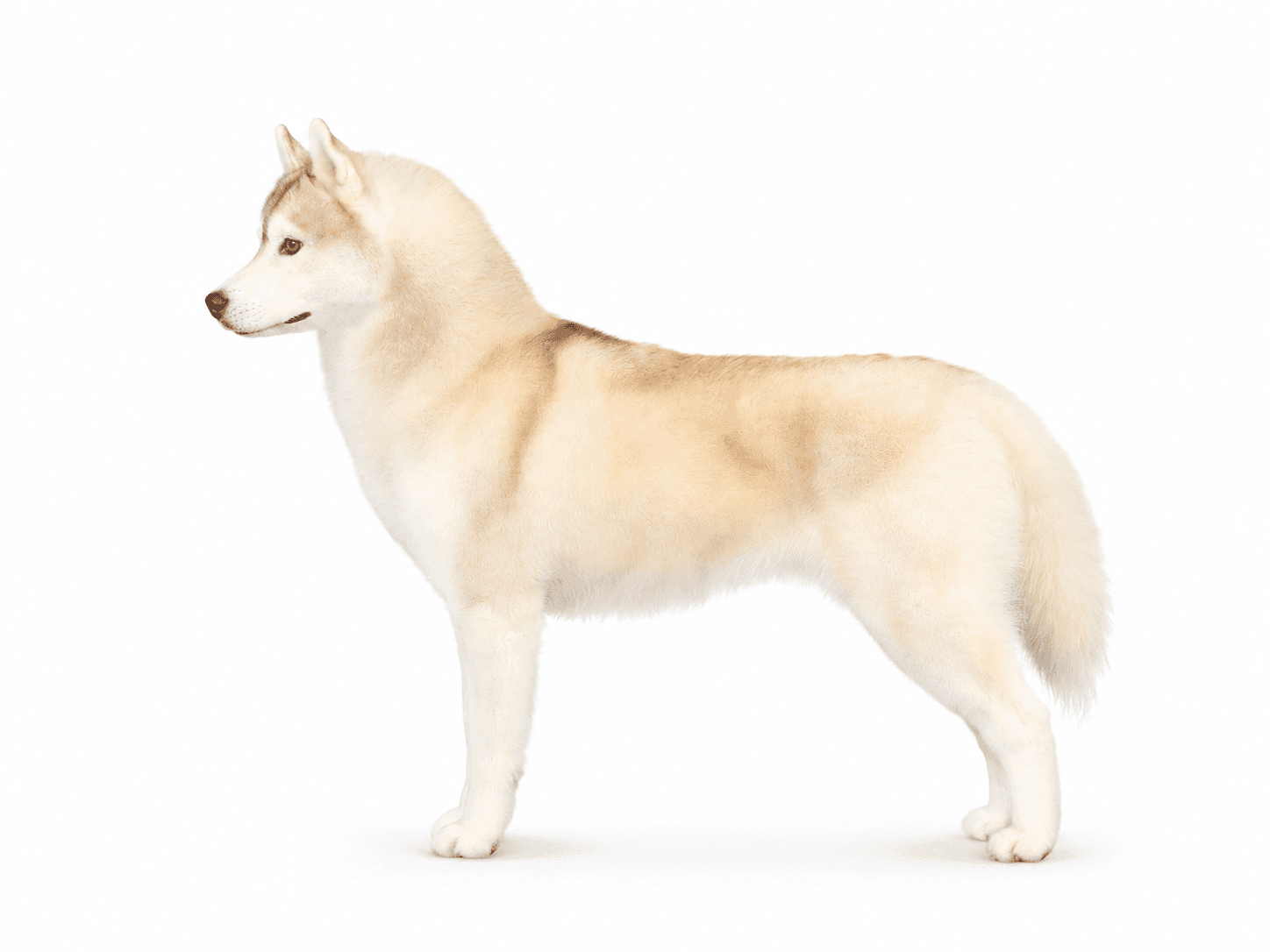
A show-quality Siberian Husky should not be just decorative. The AKC breed standard exists to preserve the dog as a functional, balanced breed. Structure, topline, angulation, movement, expression, coat, and temperament all connect to the dog's original purpose.
- Balanced movement protects long-term soundness.
- Correct coat and body type connect to Arctic function.
- Stable temperament matters in the ring and in the home.
What this means for a family
A family buyer may not want to show, race, or breed. That is fine. But buying from a program that respects the standard gives the family a clearer picture of the dog behind the beauty: energy, grooming, independence, containment, trainability, and social needs.
- A beautiful coat still requires real grooming.
- A social temperament still requires boundaries.
- An athletic dog still needs age-appropriate exercise and structure.
Where Arkinlight fits
Central Texas Husky proudly presents the Arkinlight line of AKC show-quality Siberian Huskies. The program uses the show lens to preserve breed type, movement, temperament, and buyer education so families understand the whole dog before they reserve.
Common questions this guide answers.
What were Siberian Huskies originally bred to do?
They were developed as efficient sled dogs capable of traveling across harsh Arctic conditions with endurance, teamwork, coat protection, and sound movement.
What is the difference between show and racing Siberian Huskies?
Racing lines emphasize performance on the trail, while show lines emphasize the AKC breed standard, balanced structure, movement, type, expression, and temperament. Both connect back to working heritage in different ways.
Why does breed history matter to a family buyer?
History explains modern needs: energy, independence, coat care, containment, social temperament, and the importance of structure. A family who understands the purpose of the breed is more prepared to live with it.