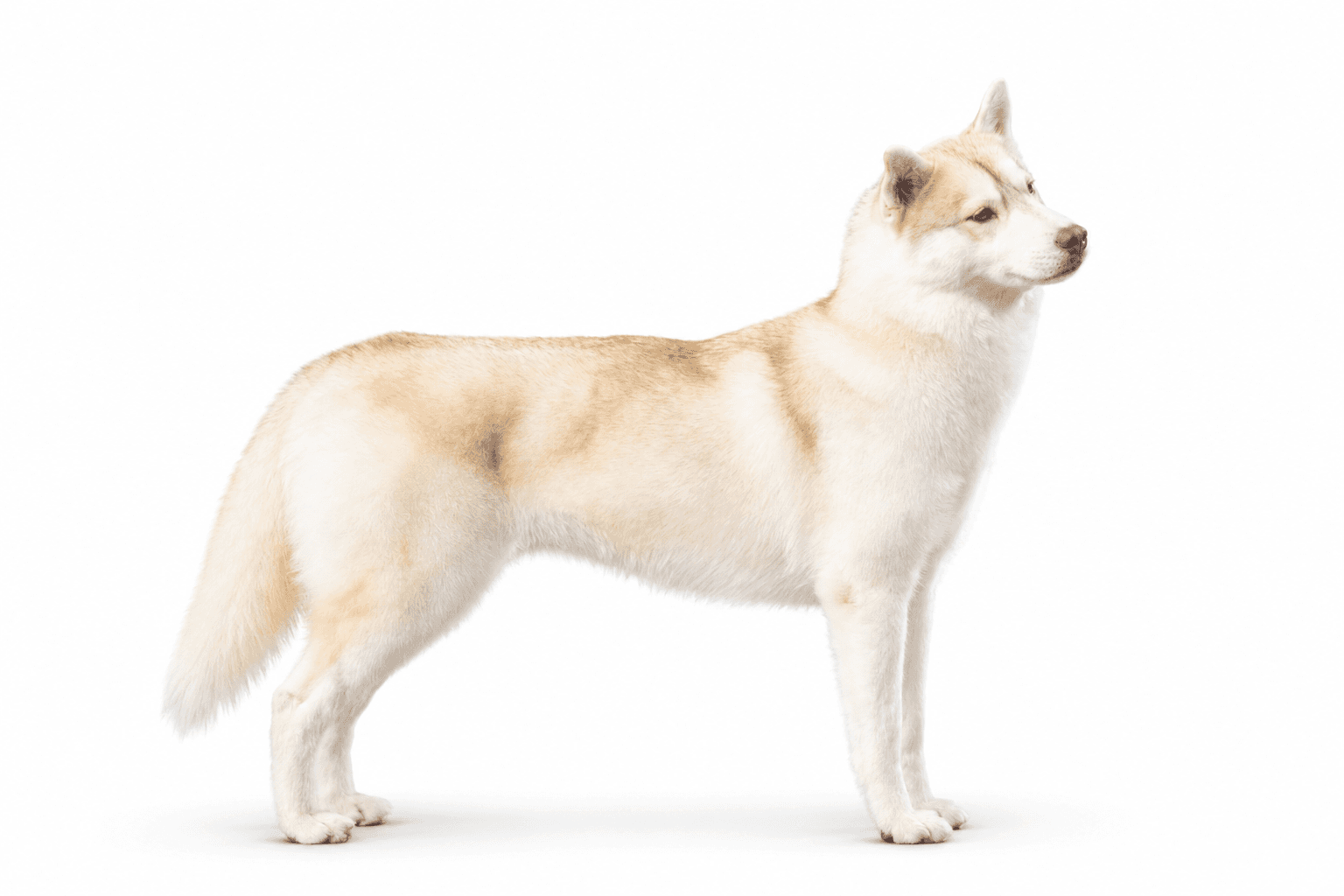
The short answer
Siberian Huskies are not fragile snow dogs. In Texas, they thrive when owners manage timing, shade, airflow, hydration, grooming, conditioning, and recovery with common sense.
One of the most common questions we hear is whether Siberian Huskies can live in Texas. The short answer is yes. The better answer is that Siberian Huskies can absolutely thrive in Texas when they are cared for properly.
Siberian Huskies can thrive in Texas when heat management is part of daily ownership.
A Husky's double coat is not just a winter coat. It helps insulate the dog from both cold and heat when maintained properly.
Exercise timing matters more than forcing activity during the hottest part of the day.
Central Texas Husky uses shade, airflow, ventilation, humidity control, hydration, indoor rest, and conditioning to keep dogs comfortable.
The Texas heat myth
The biggest misconception about Siberian Huskies is that they are fragile snow dogs that cannot tolerate warm weather.
That simply is not true. We have raised, conditioned, shown, and bred Siberian Huskies in Central Texas for years. Our dogs participate in outdoor activities, dog shows, exercise programs, and enrichment routines while living in one of the hottest regions of the country.
The real question is not whether the breed originated in a cold climate. The real question is whether the owner understands how to manage the breed responsibly in the climate where the dog actually lives.
The double coat is not just a winter coat
Most people see a Siberian Husky's thick coat and assume the dog must be miserable in warm climates. The coat is more sophisticated than that.
A Siberian Husky has a double coat made of a dense insulating undercoat and protective guard hairs on the outer layer. Most people think insulation only keeps something warm, but insulation works both ways.
Just like an insulated cooler helps keep cold air in and heat out, a properly maintained double coat helps protect a Husky from both cold and heat. This is one reason shaving a Siberian Husky is generally not recommended.
Removing the coat can reduce the dog's natural protection against the elements. Better coat care means regular brushing, undercoat maintenance, and keeping the skin and coat healthy.
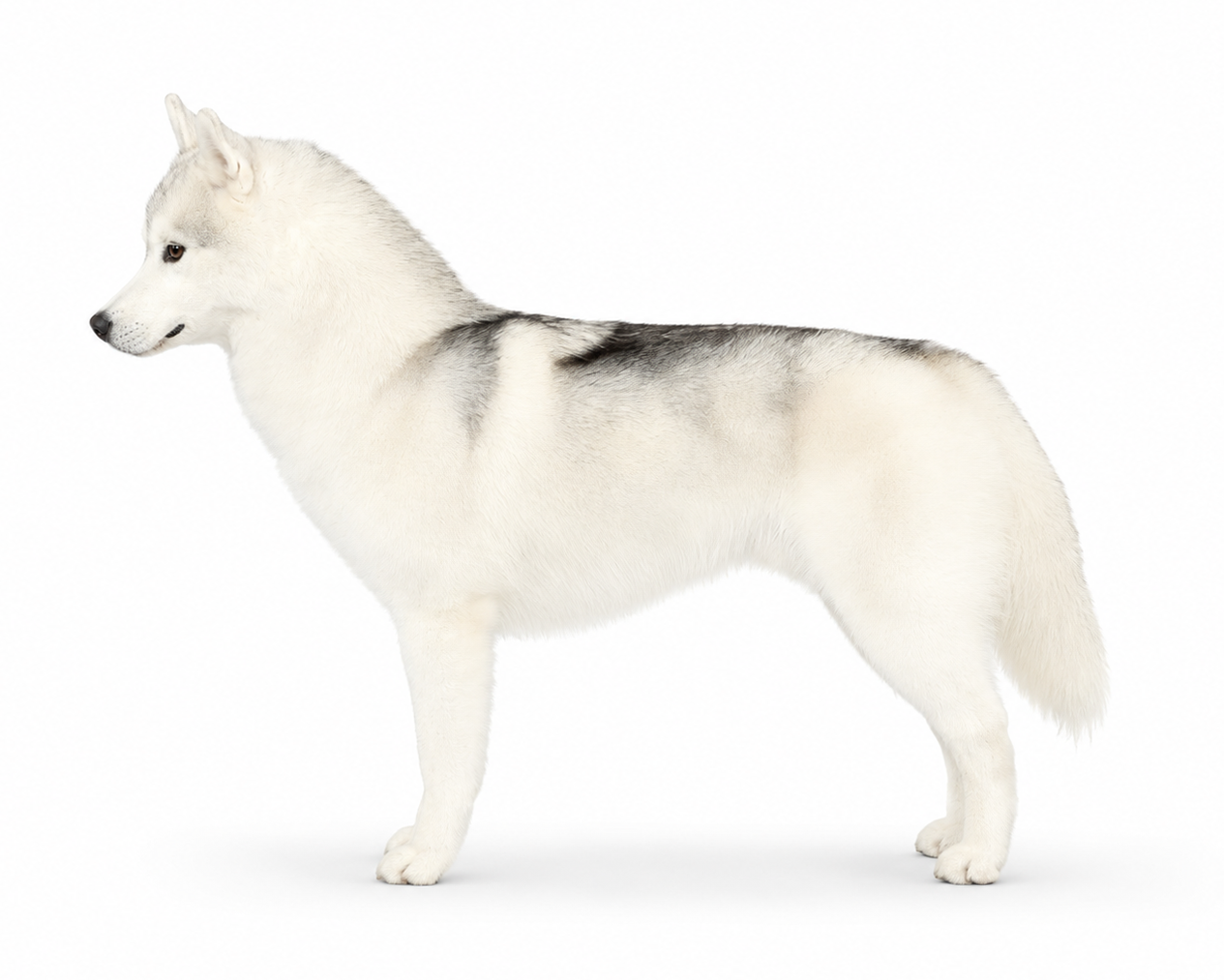
- The undercoat helps insulate the dog.
- The outer guard hairs help protect against sun, debris, and weather.
- Routine brushing removes loose coat without destroying natural protection.
- Shaving is not a responsible heat-management shortcut for a healthy double-coated Husky.
Huskies are athletes, not fragile snow dogs
Siberian Huskies were developed as endurance dogs. Their ancestors traveled long distances pulling sleds through demanding conditions, which required efficiency, recovery, and sound bodies.
These dogs are not delicate. They are adaptable athletes. The key is understanding how to manage exercise, rest, hydration, and recovery in a warm climate.
A Husky that is conditioned gradually and managed thoughtfully is very different from a sedentary dog pushed into hard activity during the hottest part of the day.
Timing matters more than temperature
One of the biggest mistakes owners make is exercising dogs during the hottest part of the day.
At our kennel, we adjust routines based on weather conditions. During Texas summers, most conditioning takes place in the early morning, in the evening, or during cooler portions of the day.
This is similar to how human athletes train. You would not schedule a marathon at 3 PM in August if you could avoid it. The same principle applies to dogs.
Responsible Texas ownership means paying attention to the forecast, pavement temperature, humidity, shade, the dog's breathing, and how quickly the dog recovers after activity.
- Use early mornings and evenings for higher-energy activity.
- Avoid long midday walks during Texas summer heat.
- Check pavement and hard surfaces before walking.
- Use indoor training, enrichment, and controlled play when outdoor conditions are unsafe.
Shade and options matter more than people realize
A quality shade structure can dramatically improve a dog's comfort. Throughout our kennel, we invest in shaded outdoor environments where dogs can rest comfortably during warmer months.
Shade can reduce surface temperatures significantly and gives dogs a way to regulate their own comfort level.
One thing we often observe is that our Huskies choose different environments throughout the day. Sometimes they prefer lounging under shade. Sometimes they choose air-conditioned indoor areas. Sometimes they stretch out in the grass.
Giving dogs options is one of the most important parts of successful management.

Airflow is often more important than people think
Many people assume air conditioning alone solves everything. Climate-controlled indoor space is valuable, but airflow is just as important.
Dogs dissipate heat primarily through panting. Good airflow helps that cooling process work efficiently.
At our facility, airflow, ventilation, humidity control, and air quality all play important roles in keeping dogs comfortable. Our HVAC system includes UV air sanitization technology and dehumidification systems to support a cleaner, healthier indoor environment.
Humidity is often overlooked in Texas, but reducing humidity can significantly improve comfort for both dogs and people.
Water is essential, but it is not the whole plan
Most hot-weather advice stops at fresh water. Of course fresh water is essential, but successful heat management involves much more than hydration.
A well-conditioned dog generally handles physical activity better than a sedentary dog. Just like people, fitness plays a role in overall performance and recovery.
- Dogs need opportunities to rest.
- Exercise should be scheduled around the weather.
- Shade and ventilation should be built into the environment.
- Recovery periods matter after physical activity.
- Conditioned fitness helps a dog handle activity more comfortably.
Why conditioning matters in Texas
One of the unique aspects of our program is our focus on conditioning. Conditioning is not about creating extreme athletes. It is about helping dogs maintain healthy bodies, strong muscles, endurance, and mental engagement.
A physically fit dog is often better equipped to handle a variety of environmental conditions because the body is stronger, movement is more efficient, and recovery is more predictable.
- Self-propelled treadmill work
- Pacing treadmill sessions
- Urban mushing
- Scooter conditioning
- Flirt pole exercises
- Fetch
- Enrichment activities
What Texas families should do at home
Families in Austin, Round Rock, Georgetown, Manor, and across Central Texas can raise a Siberian Husky successfully when daily management is realistic.
- Plan harder activity for cooler parts of the day.
- Provide reliable indoor cooling and shaded outdoor rest.
- Keep fresh water available and monitor recovery.
- Brush the coat instead of shaving it.
- Use mental enrichment when outdoor exercise needs to be limited.
- Watch for stress signals such as excessive panting, slowing down, seeking shade, or reluctance to continue.
The real question is management
The real question is not whether Huskies can live in Texas. The real question is whether the owner can provide appropriate care.
A Siberian Husky can thrive in Texas when owners understand how the coat functions, how to manage exercise, why shade matters, why airflow matters, how conditioning helps, and why hydration and recovery have to be part of the routine.
The climate itself is rarely the problem. Management is.
At Central Texas Husky, our dogs are not simply surviving Texas. They are thriving here because successful Husky ownership has far less to do with geography and far more to do with understanding the needs of the breed.
Common questions this guide answers.
Can Siberian Huskies live in Texas?
Yes. Siberian Huskies can live and thrive in Texas when owners manage exercise timing, shade, airflow, hydration, coat care, indoor rest, and recovery with common sense.
Should you shave a Siberian Husky in hot weather?
No, shaving a Siberian Husky is generally not recommended. A properly maintained double coat helps protect the dog from both cold and heat, while shaving can reduce natural protection and interfere with coat function.
How should Texas families exercise a Siberian Husky in summer?
Use the cooler parts of the day, usually early mornings and evenings. Keep activity structured, avoid hot pavement, add shaded breaks, provide water, and use indoor enrichment when the weather is unsafe.
What does Central Texas Husky do to keep dogs comfortable in hot weather?
We use shaded outdoor areas, climate-controlled indoor rest, fresh water, structured schedules, airflow, ventilation, humidity control, UV air sanitization, and conditioning routines that fit the weather and the individual dog.