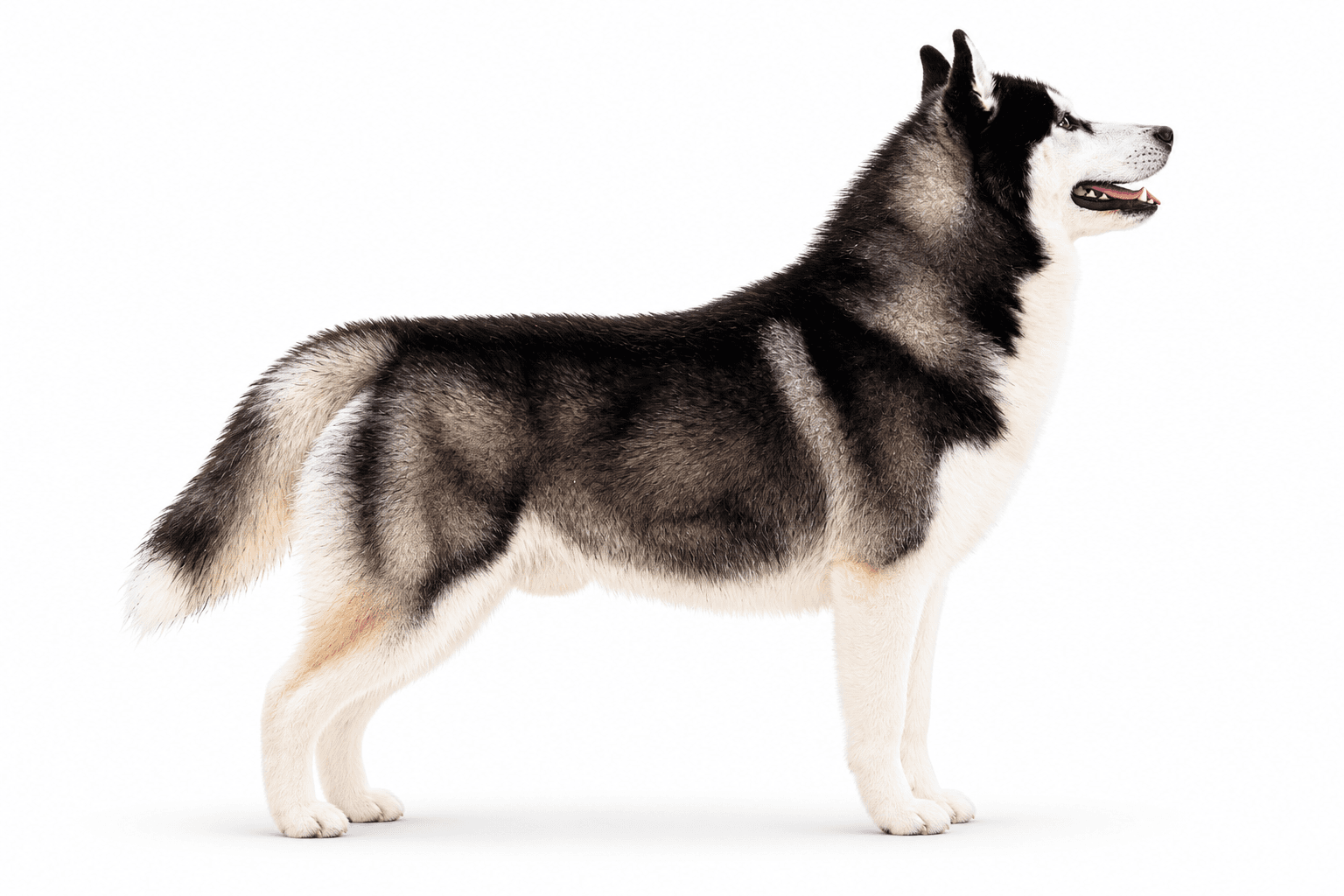
The short answer
Eye testing is not about paperwork. It is about protecting the vision, health, and future of the Siberian Husky breed.
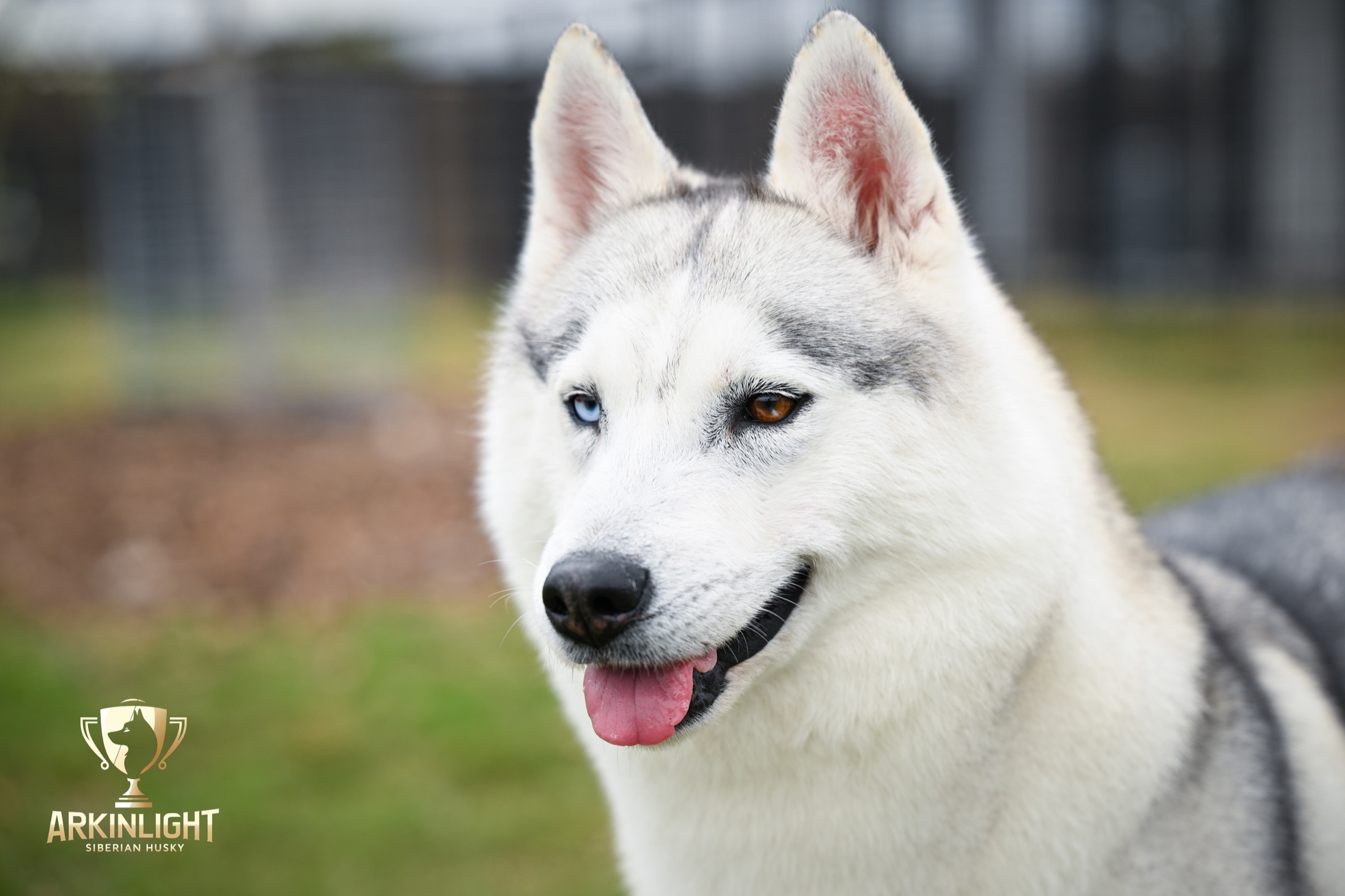
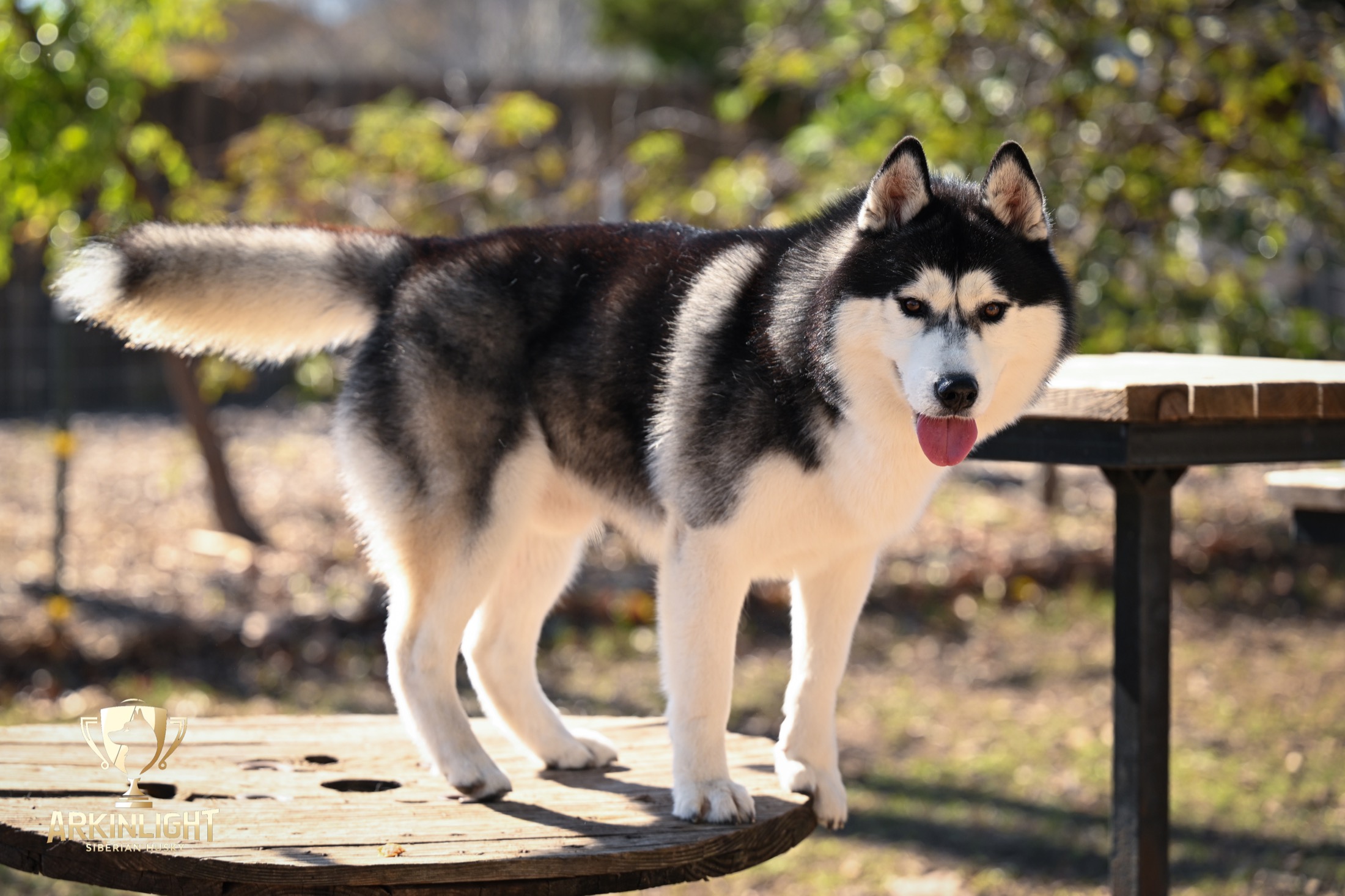
When most people think about Siberian Husky eyes, they think about beauty. Blue eyes. Brown eyes. Bi-eyes. Parti-colored eyes. What many people do not realize is that beneath those beautiful eyes lies one of the most important health concerns within the breed.
Central Texas Husky breeding dogs receive annual eye examinations performed by a board-certified veterinary ophthalmologist.
A Siberian Husky can have beautiful, clear-looking eyes and still carry genes connected to inherited eye disease.
Major inherited eye concerns in Siberian Huskies include hereditary cataracts, corneal dystrophy, and progressive retinal atrophy.
Eye color does not predict eye health; health testing should matter more than cosmetic traits.
Eye testing is about protecting the future of the breed
At Central Texas Husky, every dog in our breeding program undergoes annual eye examinations performed by a board-certified veterinary ophthalmologist.
We do this because Siberian Huskies are predisposed to several inherited eye diseases that can affect vision and, in severe cases, lead to blindness.
Eye testing is not about paperwork.
It is about protecting the future of the breed.
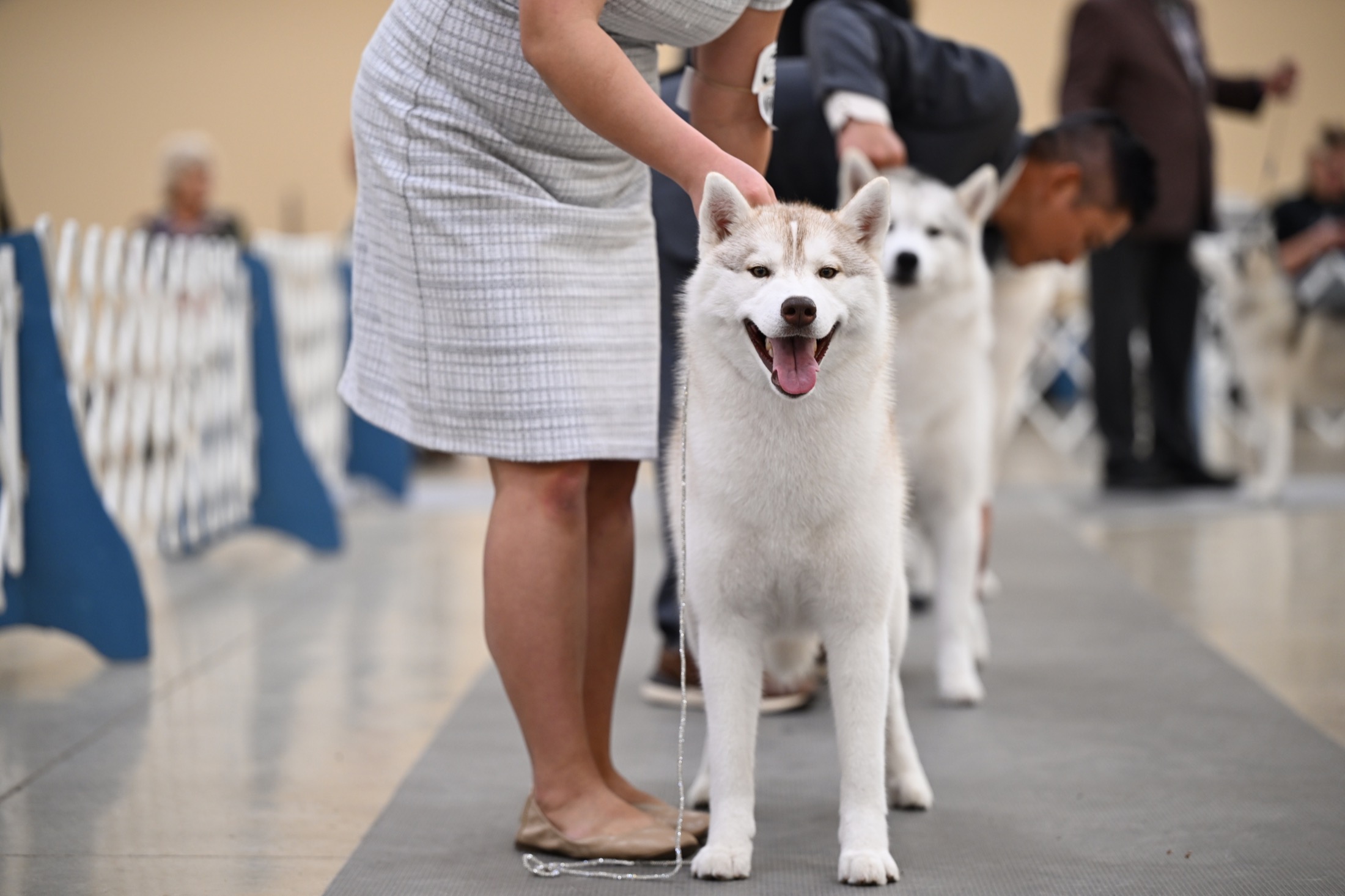
A dog can have beautiful eyes and still carry eye disease
One of the biggest misconceptions among puppy buyers is that healthy-looking eyes automatically mean healthy genetics.
Unfortunately, that is not always true.
A Siberian Husky can have crystal-clear blue eyes, perfect vision, and still carry genes that contribute to inherited eye disease.
This is why responsible breeders do not rely on appearance alone.
Instead, breeding dogs should be examined regularly by a veterinary ophthalmologist who has the training and equipment necessary to detect subtle changes that may not be visible to the average owner.
The three major inherited eye conditions in Siberian Huskies
Siberian Huskies are predisposed to inherited eye conditions that serious breeders should understand before making breeding decisions.
The three major inherited eye conditions most families should know about are hereditary juvenile cataracts, corneal dystrophy, and progressive retinal atrophy.
1. Hereditary (juvenile) cataracts
Hereditary cataracts are the most common inherited eye disease seen in Siberian Huskies. They can appear in puppies and young dogs, sometimes as early as a few months of age.
A cataract forms when the normally clear lens of the eye becomes cloudy.
Some cataracts remain small, while others continue to progress over time. Because cataracts can develop after a dog has already been bred, annual eye examinations are critical.
- Reduced vision
- Difficulty navigating environments
- Partial blindness
- Complete blindness
2. Corneal dystrophy
Corneal dystrophy affects the transparent outer surface of the eye called the cornea.
While some cases have minimal impact on vision, others can become more significant depending on the location and severity of the condition.
Siberian Huskies are one of the breeds known to be predisposed to this inherited disorder.
- Cloudy spots
- White or gray deposits
- A hazy appearance of the eye
3. Progressive retinal atrophy (PRA)
PRA is one of the most devastating inherited eye diseases because it progressively destroys the retina.
Dogs often first show signs through night-vision difficulty, hesitation in dim lighting, or reduced vision in unfamiliar environments.
Over time, the disease can progress to complete blindness. Unfortunately, there is currently no cure for PRA. This makes responsible screening and breeding decisions especially important.
- Difficulty seeing at night
- Hesitation in dim lighting
- Reduced vision in unfamiliar environments
Why annual eye testing matters
One question we hear often is: if a dog passed an eye exam once, why keep testing?
The answer is simple. Some inherited eye conditions develop later in life.
A dog may receive a normal eye exam at one year of age and develop abnormalities years later. This is why OFA CAER eye certifications are only valid for one year and annual examinations are recommended.
Responsible breeders understand that eye health is not a one-time event. It is an ongoing responsibility.
Eye color does not predict eye health
Many families are surprised to learn that eye color itself has little to do with whether a dog develops inherited eye disease.
Blue eyes do not cause cataracts. Brown eyes do not prevent cataracts.
The genes that create eye color are separate from the inherited diseases that breeders are screening for.
When selecting a puppy, health testing should always be prioritized above cosmetic traits.
A healthy dog with brown eyes will bring a family far more joy than an unhealthy dog chosen solely because it has blue eyes.
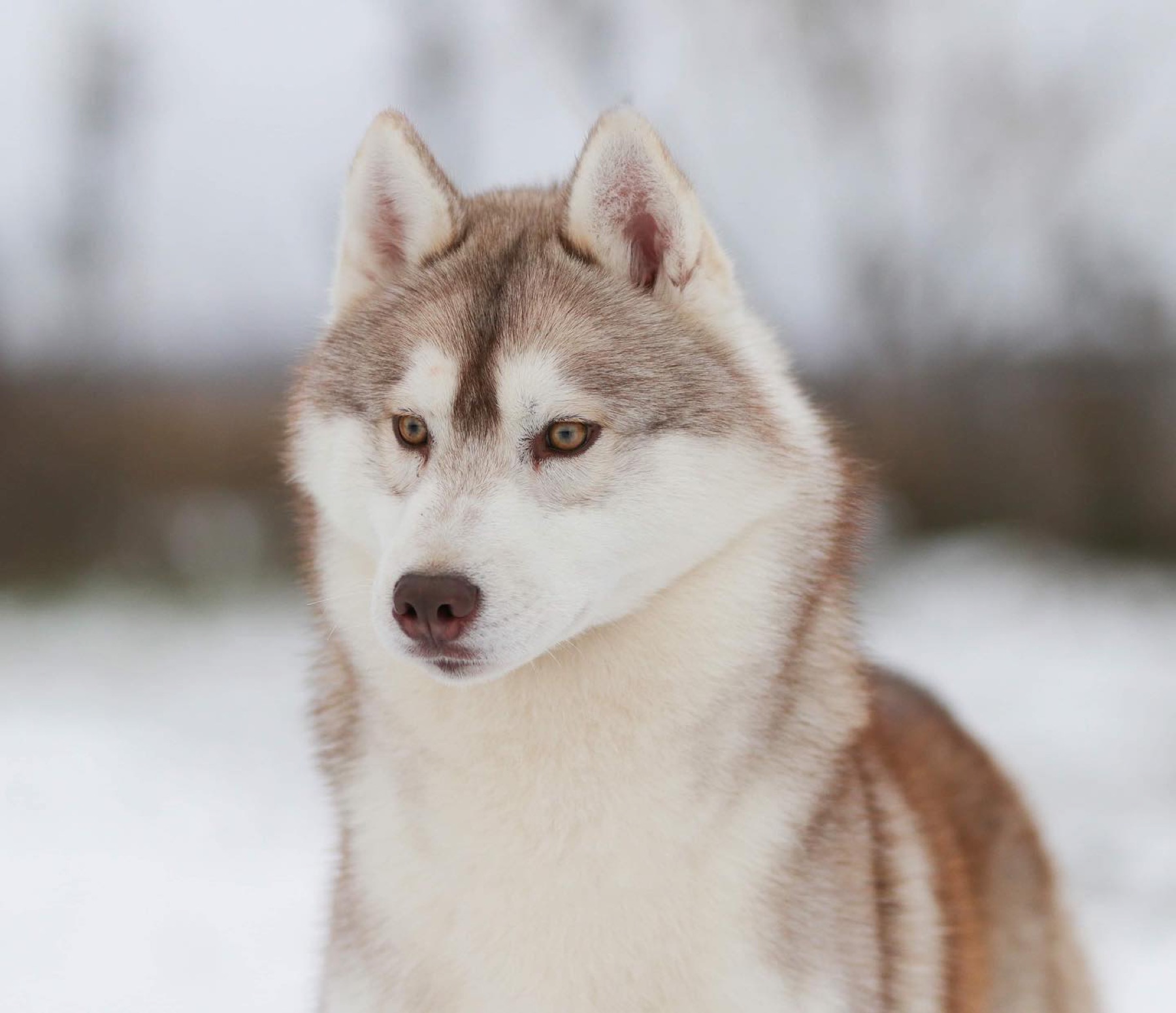
Why we test
Our goal is simple. We want to produce Siberian Huskies that are not only beautiful, but healthy, functional, and capable of living long, active lives.
Every breeding decision carries a responsibility to future generations.
Annual eye examinations help us make informed decisions, identify potential concerns early, and reduce the likelihood of passing inherited eye disease to future puppies.
Eye testing is not about checking a box. It is about doing everything we can to preserve the vision, health, and future of the Siberian Husky breed.
Common questions this guide answers.
Why do Siberian Huskies need eye testing?
Siberian Huskies are predisposed to inherited eye diseases, including hereditary cataracts, corneal dystrophy, and progressive retinal atrophy. Eye exams help breeders identify concerns that may not be visible from appearance alone.
Does blue eye color mean a Siberian Husky has healthy eyes?
No. Eye color does not predict eye health. Blue eyes, brown eyes, bi-eyes, and parti-colored eyes can all be beautiful, but inherited eye disease is screened through veterinary ophthalmology exams, not by cosmetic appearance.
Why does Central Texas Husky perform annual eye examinations?
Annual eye exams help Central Texas Husky make informed breeding decisions because some inherited eye conditions can develop later in life. Eye health is treated as an ongoing responsibility, not a one-time checkbox.